Our scientific approach is grounded in a deep understanding of corneal biology and the biological processes required to maintain a healthy ocular surface. Central to this approach is hepatocyte growth factor (HGF), a biologically active protein with well-established roles in epithelial regeneration, tissue repair, and inflammation modulation.
In the cornea, coordinated regulation of these processes is essential to preserving epithelial integrity, transparency, and vision. By leveraging the multi-modal activity of HGF, we’re advancing a biologically driven strategy designed to promote corneal epithelial regeneration while reducing inflammation and scarring that contribute to progressive vision loss.
Guided by pioneering corneal research and informed by insights from extensive patient datasets, we are translating this biological foundation into therapies designed to deliver meaningful and durable clinical outcomes for patients with rare and severe corneal diseases.
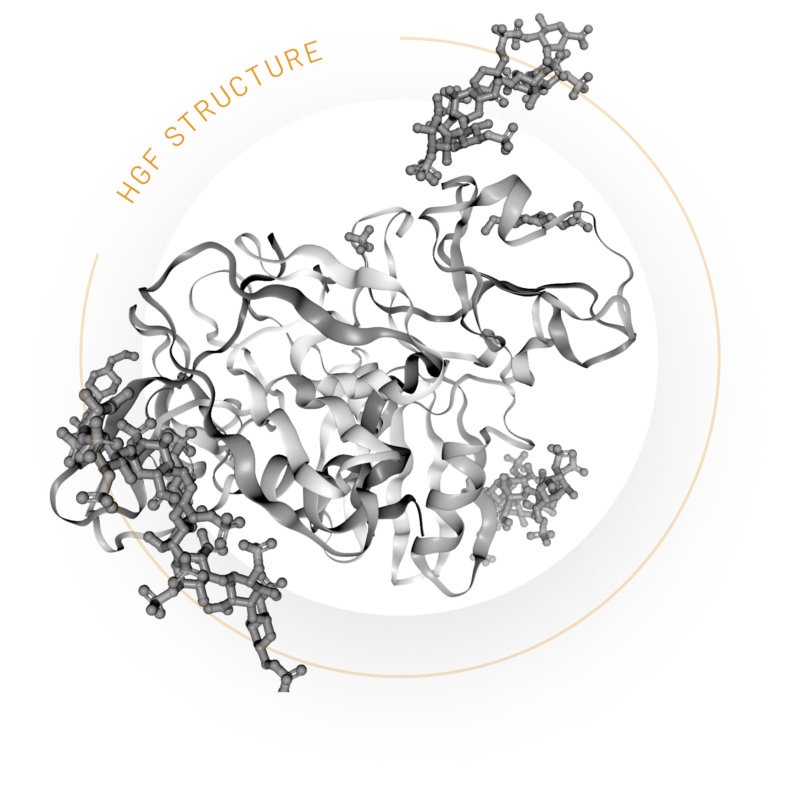
The Hepatocyte Growth Factor molecule helps:
Accelerate healing

Prevent corneal scarring

Reverse corneal scarring
CSB-001
Our lead candidate, CSB-001, is a recombinant human HGF therapy developed to address the underlying pathophysiology of limbal stem cell deficiency (LSCD). This unique approach has been shown to support cell survival by targeting the fundamental biological drivers of disease by promoting corneal epithelial regeneration while reducing inflammation and fibrosis.
Designed as a topical ophthalmic therapy, CSB-001 has the potential to offer a reliable, accessible, and scalable treatment option that reduces reliance on complex surgical interventions and long-term immune suppression.